Search tips
- Check your spelling
- Try a different term
- Keep your search term short and simple
The main role of the database is to enable livestock movements to be recorded but ‘statuses’ can also be assigned to the electronic RFID devices (tags) used to identify livestock, to indicate the market eligibility or health of individual animals.
With the recent outbreaks of FMD and LSD in Indonesia, it is particularly important for livestock producers to understand their responsibilities, be vigilant and on the lookout. Effective biosecurity practices address the identification and containment of disease outbreaks when they occur and detail the measures in place to prevent disease spread.
Find out how to meet your integrity requirements, including LPA and NLIS if you're a dairy farmer.
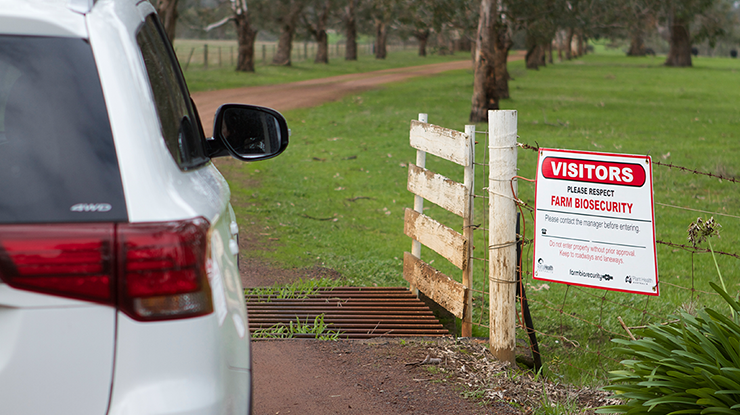
In most instances, organisations such as power and water companies have a legal right to enter your property, even without notice. To reduce the risk to biosecurity it is best to contact the companies and express your concerns about biosecurity and any measures they can undertake to reduce the risks. As well as this, ensure biosecurity signage is prominent on your boundary fences and gates to encourage visitors to contact you on arrival. You can also increase inspection of the livestock and property in these areas for early signs of any issues. If you know a visitor has entered your...
The National Residue Survey (NRS) is part of the Australian Government Department of Agriculture, Fisheries and Forestry (DAFF). Its role is to manage the risk of chemical residues and environmental contaminants in animal and plant products. The NRS audit program monitors the cattle, sheep and goat industries. Since 2009, there have been more than 30,000 NRS targeted property audits conducted in Australia as part of a comprehensive approach to residue management. NRS targeted audits are completed on behalf of ISC by qualified AUS-MEAT auditors and include a focus on chemical use, residue risks and animal treatments. Information collected during NRS...
Access your NLIS, LPA and other industry accounts with one username and password using myMLA.

Livestock producers are responsible for keeping records in order and ensuring on-farm practices align with integrity system requirements. Find out what you need to know.

You can register for an NLIS account on the NLIS website. Once submitted, your account request will need to be approved. This process can take up to seven days. After your request is approved, you will receive your NLIS user ID and password via email.