Search tips
- Check your spelling
- Try a different term
- Keep your search term short and simple
The NLIS Database Uplift Project is supported by a $22.5 million grant from the Department of Agriculture, Fisheries and Forestry as part of the Australian Government's Bolstering Australia's Biosecurity System package.
All LPA-accredited producers – from large scale operators to hobby farmers – may be audited to check how records are maintained and how food safety, biosecurity and animal welfare management is being carried out on-farm. Read more about LPA audits.
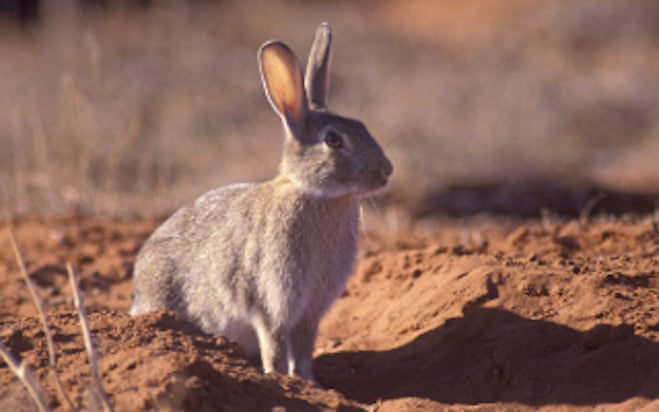
More information Learn more about completing your LPA Biosecurity Plan or download the Biosecurity Plan template. Order a copy of PestSmart’s Glovebox Guide for Managing Rabbits to help plan your rabbit control strategy. Download RabbitScan from the AppStore or GooglePlay Store. Use the Rabbit Biocontrol Tracker. Watch this video explaining how to use RabbitScan to improve your rabbit control outcomes. Access further pest control resources on the PestSmart website. Further assistance If you have any questions or require more information about completing your LPA Biosecurity Plan, please email info@integritysystems.com.au. Alternatively, you can speak with the ISC Customer Service team on 1800...
Here are four key tips to avoid the most common red meat integrity issues.
Third-party integrators that have an existing API connection to the current NLIS and use this for traceability and biosecurity purposes can apply. This can include tag and device manufacturers, software providers for processors, feedlots, saleyards, and on-farm management program providers.
NLIS Database Uplift Project The NLIS is Australia’s system for the identification and traceability of cattle, sheep and goats. It reflects Australia’s commitment to biosecurity and food safety and provides our red meat industry with a competitive advantage in global markets. The NLIS Database Uplift Project will ensure Australia has a user-friendly traceability platform that is fit-for-purpose with the flexibility and scalability to track all livestock movements for many decades to come. The project is supported by a $22.5 million grant from the Department of Agriculture, Fisheries and Forestry as part of the Australian Government’s ‘Bolstering Australia’s biosecurity system’ package....

This webinar will take an in-depth look at LPA’s final three modules: Livestock transactions and movements, Biosecurity and Animal welfare

From this date, you must provide a documented On-farm Biosecurity Management Plan when you seek LPA accreditation or reaccreditation. You can complete the plan using the online tool in your LPA account or upload a copy of an existing plan that covers the required elements.
You must notify the selling agent who will be acting on your behalf. This will ensure full transparency through the selling process and allow any potential food safety or biosecurity risk to be managed.
To be eligible to receive funding, third-party integrator must: Have an existing API connection Be using the NLIS API for biosecurity or traceability purposes Have accessed the NLIS in the past year Furthermore, applicants will not be eligible for consideration if: The provider is the recipient of other Commonwealth traceability grants that fund similar upgrades Any NLIS users upload data via the web and not through an API