Search tips
- Check your spelling
- Try a different term
- Keep your search term short and simple
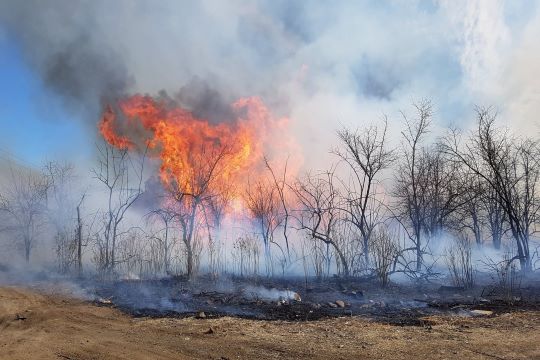
In response to the catastrophic bushfires across many key production areas, Integrity Systems Company (ISC) has provided a 12-month extension to LPA program audits and accreditations to all PICs in bushfire affected regions.
New tools and resources are now available on the ISC website to help red meat industry stakeholders meet their integrity requirements.
To meet the requirements for crop, pasture and paddock treatment recording, the following information must be recorded: date of application paddock ID & location crop treated area treated treated by (name and contact number of owner/employee/contractor) treatment application rate (L/ha) and method wind direction and speed (km/hr) tank mix used product name chemical rate batch number WHP/EGI/EAFI date safe to harvest/ graze. If all this information is recorded in your spray schedule and can be accessed in a timely manner for an audit, then it is an acceptable way to record the information. This responsibility falls under the...
Anyone applying or handling chemicals must be able to demonstrate competency in the storage, handling, preparation, use and disposal of chemicals. Ideally, livestock producers will hold or be under the supervision of someone that has a current recognised chemical user’s certificate. Certificates should be stored and presented during the LPA audit.
If you have previously declared oestradiol use and are seeking to become oestradiol free you will need to apply for the module and undergo an LPA audit to verify which animals, and corresponding devices, on farm are oestradiol free.
Feeding cotton trash does impact a PIC, even if only some of your livestock have had access, every animal registered to that PIC will be considered to have accessed cotton trash. As a result, all animals registered to that PIC are automatically allocated a cotton trash animal (CTA) status on the central NLIS database. All animals are required to complete a 60-day clean feed period before going to slaughter or export. This can occur in two ways, an approved auditor verifies the PIC is clear and no longer feeding cotton trash via an on-farm audit, or if livestock are moved...
All detections of HGP or oestradiol in cattle will be investigated by Integrity Systems and a Hormone Sanction (HOS) PIC status will be applied to your PIC while an audit, investigation and corrective actions are undertaken. This does not impact you trading for non-hormone free markets.

This clean feed period must be verified by an Approved Auditor. When the Approved Auditor is contracted is the decision of the producer, although they are encouraged to do so prior to commencing the clean feed period. The commencements of the clean feed period can occur prior to the audit being undertaken, providing that the management plan implemented by the producer provides sufficient evidence to substantiate verification that the livestock have been grazing on clean feed from the stated date, by the Approved Auditor.