Search tips
- Check your spelling
- Try a different term
- Keep your search term short and simple
About the Project The NLIS Database Uplift Project will ensure Australia has a fit-for-purpose and user-friendly traceability platform which offers flexibility and scalability to track all livestock movements. In an era of growing consumer demands and heightened awareness surrounding biosecurity, market access, food safety and animal welfare, the need for a robust and agile livestock traceability system has never been greater. This significant project is being supported by a $22.5 million funding grant which was announced by Australia’s Department of Agriculture, Fisheries and Forestry on September 15, 2023. This funding forms part of the Australian Government’s ‘Bolstering Australia’s biosecurity system’...

With the recent outbreaks of FMD and LSD in Indonesia, it is particularly important for livestock producers to understand their responsibilities, be vigilant and on the lookout. Effective biosecurity practices address the identification and containment of disease outbreaks when they occur and detail the measures in place to prevent disease spread.
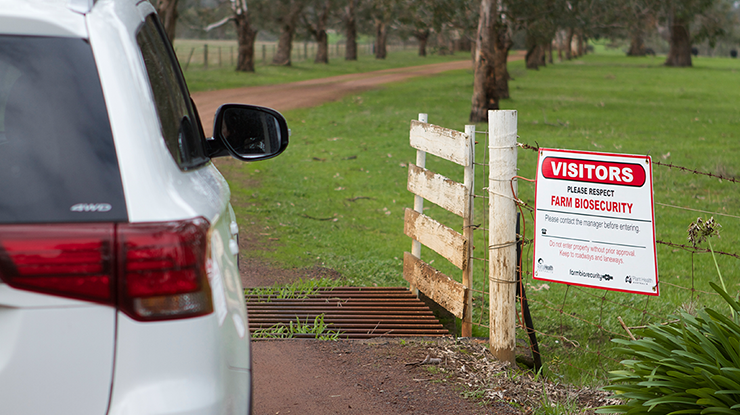
Australia is currently free from FMD, and our priority is to keep it that way. At the same time, while we are confident in Australia’s strong biosecurity measures, we aren’t taking anything for granted.

Key Points Make sure you have plans in place to deal with extreme weather conditions Biosecurity risks escalate during disasters, so it is crucial you review and update your biosecurity plan to reflect these risks The MLA Bushfire Hub has a suite of resources to help you get prepared Contact your state/territory department of agriculture if you need assistance with natural disaster recovery The Bureau of Meteorology’s long-range forecast is predicting drier and warmer conditions than average across much of Australia this spring. Together with the increased fuel load brought on by recent rainfall, this is creating an increased risk...

With livestock diseases in close proximity to Australia, such as lumpy skin disease, and foot and mouth disease, it is critical that producers and industry service providers take every precaution to maintain the biosecurity of red meat businesses.

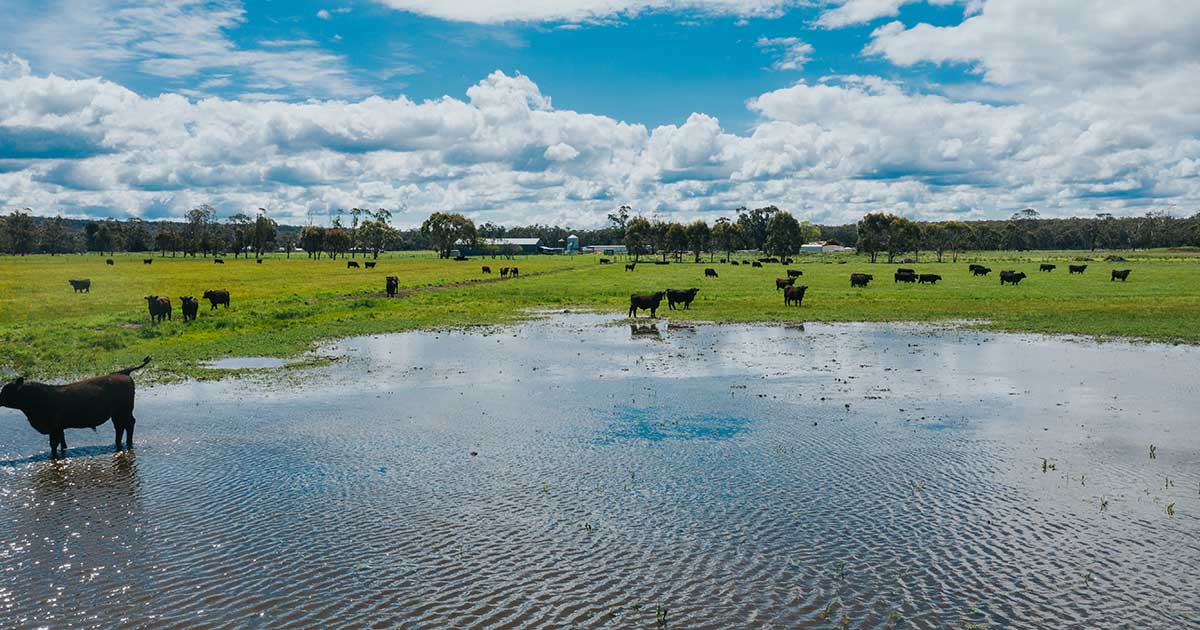
With floods, bushfires and other disasters more prevalent than ever, know what you can do to protect your stock and property.
More information Learn more about completing your LPA Biosecurity Plan or download the Biosecurity Plan template. Read PestSmart’s Glovebox Guide for Managing Foxes to help plan your fox control strategy. Download FoxScan from the AppStore or GooglePlay Store. Use PestSmart’s European fox control toolkit. Access further pest control resources on the PestSmart website. Further assistance If you have any questions or require more information about completing your LPA Biosecurity Plan, please email info@integritysystems.com.au. Alternatively, you can speak with the ISC Customer Service team on 1800 683 111, Monday to Friday between 8am and 7pm (AEST) or on weekends between 9am and 5pm (AEST). You can also access the ISC Chatbot seven days a week via our website or from your myMLA and LPA account pages.

If livestock have spread to neighbouring properties, producers should consider any risks around pest, disease and biosecurity for their own property before they are brought home. A number of recommended practices are included on the LPA Farm Biosecurity Plan template that should be considered.
To meet biosecurity requirements, all LPA-accredited producers need to have a Biosecurity Plan in place on their farm.

Chemicals play an important role in protecting our livestock and properties – but poor preparation could lead to even worse hazards.
