Search tips
- Check your spelling
- Try a different term
- Keep your search term short and simple
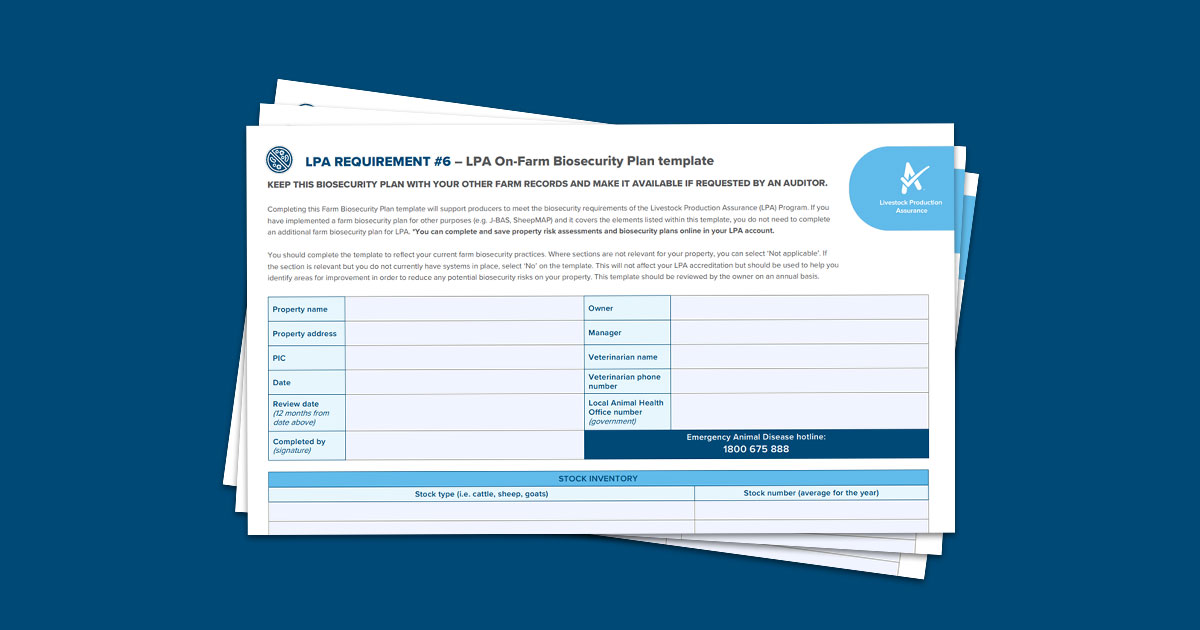
As part of LPA, biosecurity is a key requirement which assists producers in standing by what they sell. ISC understands that some challenges with biosecurity, such as feral animal invasion, can be out of your control. Being aware of this risk and noting it in your biosecurity plan, as well as how you will manage it, is important should you be audited as an LPA-accredited producer. Read more about biosecurity as an LPA requirement.
2026 Integrity Systems Biosecurity Webinar
Take part in a short survey to inform the development of an app that will predict and alert producers to biosecurity threats affecting the Australian red meat industry.
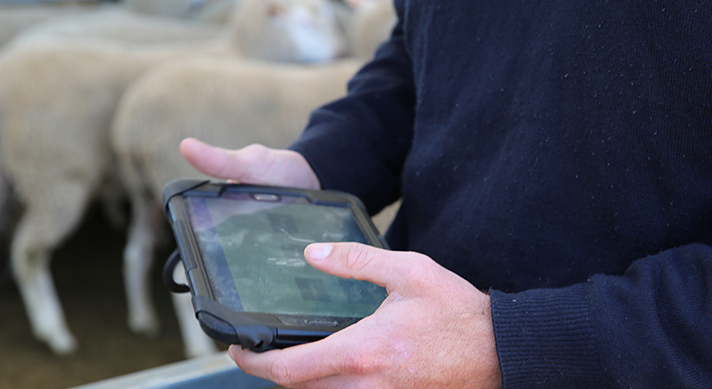
Biosecurity has been a requirement of the LPA program since 1 October 2017. Its inclusion in LPA strengthens the assurances provided to customers, protects the industry, and makes record-keeping simpler for producers - both on farm and when transporting livestock between properties, feedlots, saleyards, processors and for live export.
Yass vet Alex Stephens warns producers about compliance complacency, and how your tagging can help maintain your biosecurity.

Protecting your property starts with good biosecurity. Learn why it is important, what the risks are, and the practical steps you can take to protect your livestock and your property.In this webinar, Integrity Systems will outline simple steps that can help reduce disease risks, protect livestock and strengthen your farm business.Topics include: Current biosecurity risks On-farm biosecurity measures you can implement Demonstration of completing a biosecurity plan within your LPA account How NLIS and NVDs (traceability) are core to industry level biosecurity protection LPA audits and biosecurity requirements A video recording and other resources will be sent to all registrants....
There are a number of resources available to help producers mitigate biosecurity risks. Read this article to find out more.
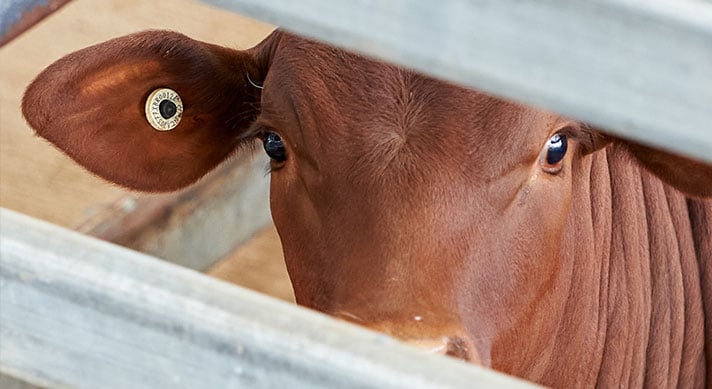
To be prepared for biosecurity threats, take the time to complete a few key actions to keep your livestock and property safe.
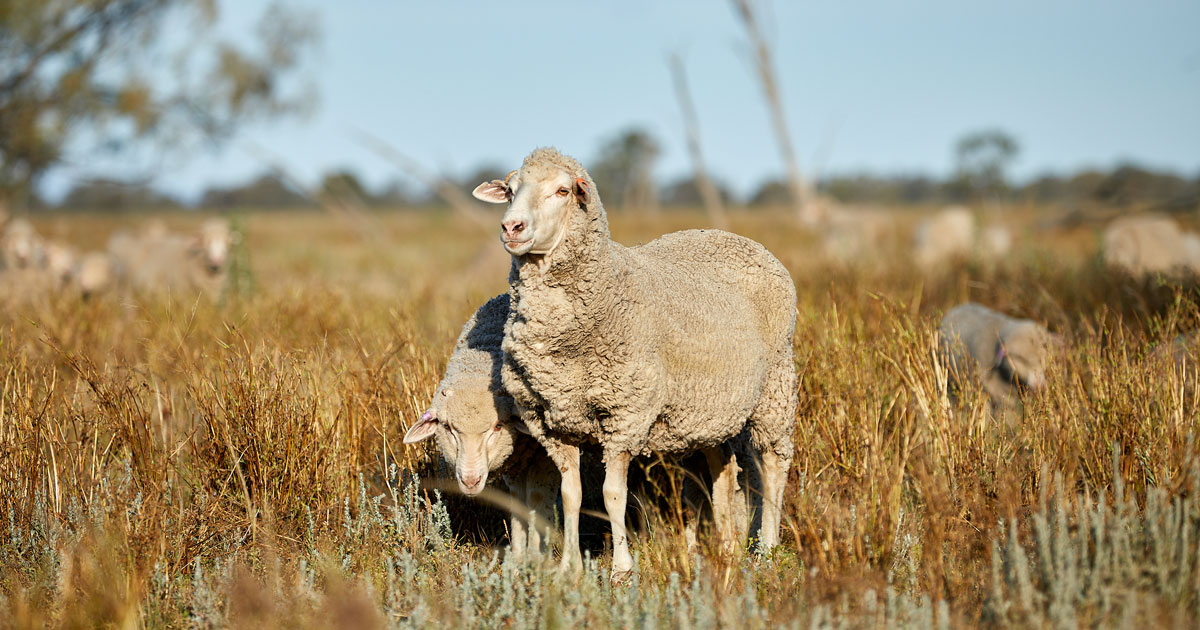
This open industry webinar will provide livestock producers with practical information and tools to support industry preparedness for an emergency animal disease outbreak.
Completing a Farm Biosecurity plan is the first step to protecting your business, your livelihood and that of the wider industry .