Search tips
- Check your spelling
- Try a different term
- Keep your search term short and simple
You can provide buyers with details of any high risk animals in the consignment, or provide a list of the NLIS tag numbers of each animal in the consignment prior to sale so that they can check if there are any statuses attached to them. You will also provide buyers with the assurances they require by accurately completing the NVD and declaring any livestock that may pose a food safety or biosecurity risk.
More information Learn more about the specific requirements for your state or territory on the ISC website. Learn how to consign stock to a show or exhibition here. Read how the NSW Royal Agricultural Society’s Cattle Committee worked with ISC and exhibitors to make the shift to digital consignments this year. Learn how to create digital consignments using the eNVD app. For more information on your integrity requirements, generally: Moving livestock to and from a show or exhibition | Integrity Systems National Livestock Identification System | Integrity Systems How NLIS works | Integrity Systems NLIS how-to guides | Integrity Systems...

Putting livestock on agistment? Here’s what you need to know to meet your integrity requirements and protect your livestock while they’re on agistment.
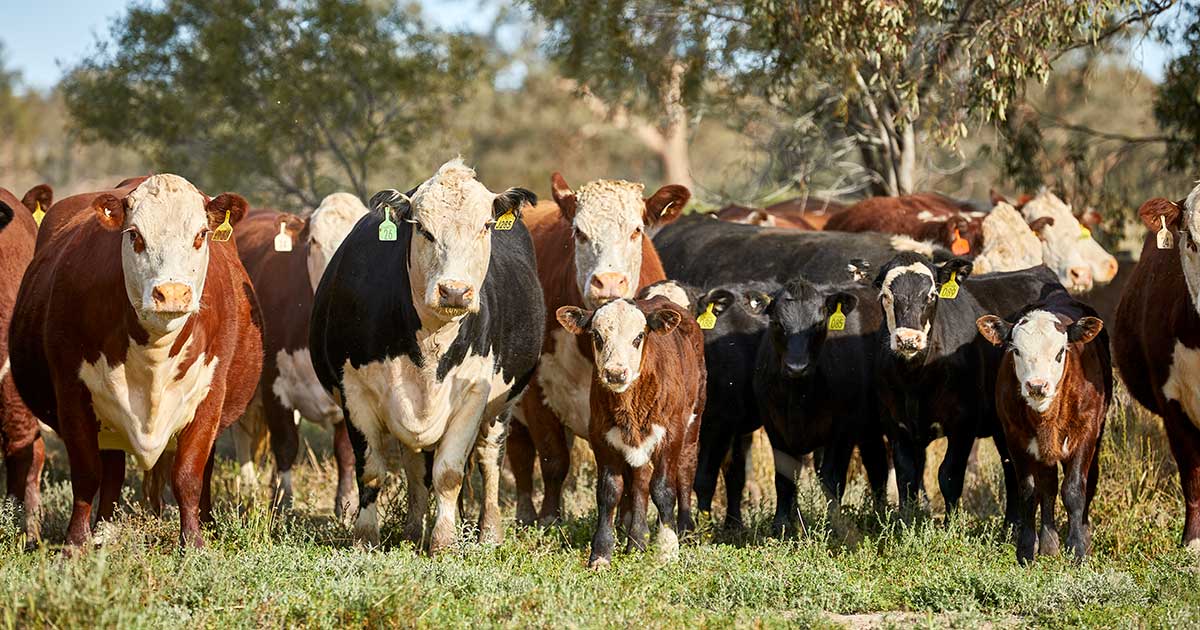
The Australian Livestock and Property Agents Association will have the chance to get the latest information on the red meat integrity system and how they can help the industry ‘stand by what it sells’ at a special webinar this month hosted with ISC.
All LPA accredited producers – from large scale operators to hobby farmers – may be audited, with audit participants selected from the database of LPA accredited producers. Annually, 2,000 producers are selected at random and 1,000 selected for targeted audits due to system identified non-conformance.
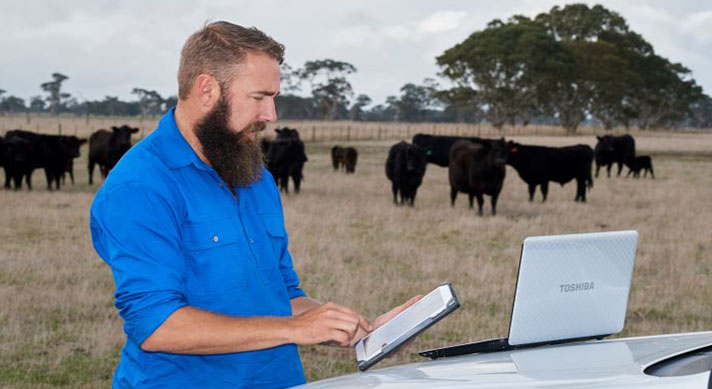
Processors must ensure that livestock consigned for processing are fit for consumption. Learn more about the integrity system for processors.

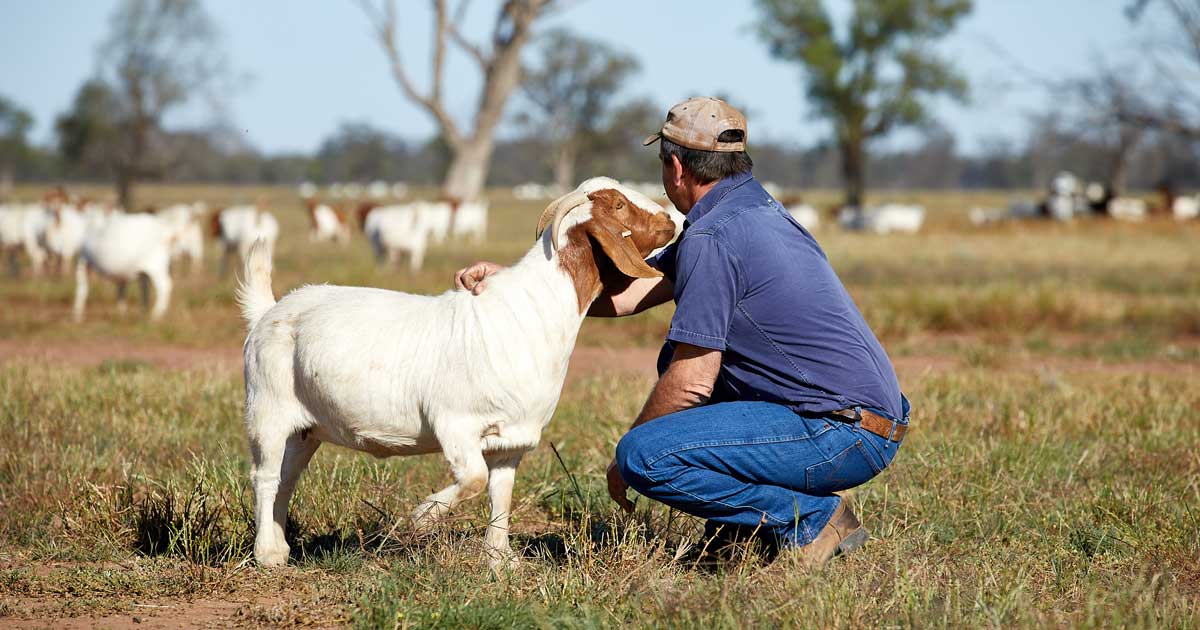
MLA’s Going into Goats program now includes the newest information and resources to comply with NLIS and LPA.
If your property has an EW status and you are sending animals to a saleyard, you must notify the selling agent who will be acting on your behalf. This will ensure full transparency through the selling process and allow any potential food safety or biosecurity risk to be managed. Even if you are not selling the animal of concern, if you have an EW status on your PIC, you should provide full transparency and confirm with the saleyards, your agent or buyer that there are no high risk animals in the consignment. Following that, it will be business as usual.
This webinar is presented in collaboration with the Australian Livestock Saleyards Association to help you understand the red meat integrity system.