Search tips
- Check your spelling
- Try a different term
- Keep your search term short and simple
Find out if you need Livestock Production Assurance (LPA) accreditation. Learn why some livestock owners require LPA, when it may not be needed, and what alternatives are available. Get clear guidance to help you meet market and supply chain requirements.
ISC invests in integrity system initiatives and programs because it allows us to have as much market opportunity for red meat products as possible. Australia’s red meat industry is a $28 billion industry and we are able to export our product into more than 100 markets around the world. We are producing food and we need to be able to provide an assurance to all of our consumers that the product that they are consuming is safe to eat, has been raised in an ethical and positive way, and that we are able to trace that product right through from...
More information Find guidance on maintaining account security and meeting your program obligations of the Accreditation page of the Integrity Systems website. For complete details of program compliance, review the LPA Rules and Standards to understand roles, responsibilities and audit requirements. If you have any questions or require further assistance with setting up LPA accounts, please email info@integritysystems.com.au. Alternatively, you can speak with the ISC Customer Service team on 1800 683 111, Monday-Friday between 8am to 7pm (AEST) or on weekends between 9am and 5pm (AEST). You can also access the ISC Chatbot seven days a week via our...

The LPA program provides a best practice method for producers to understand their requirements to ensure safe and responsible use of chemicals. These include: completing a property risk assessment completing a biosecurity plan storing chemicals in a secure place according to instructions on the label completing a certified chemical user’s course ensuring equipment used for applying chemicals or medicines is suitable and calibrated documenting details of all chemical use, including: product name and batch number (try taking a photo) withholding period (WHP) or export slaughter interval (ESI) (learn more about WHP and ESI requirements) treatment date treated livestock or property...
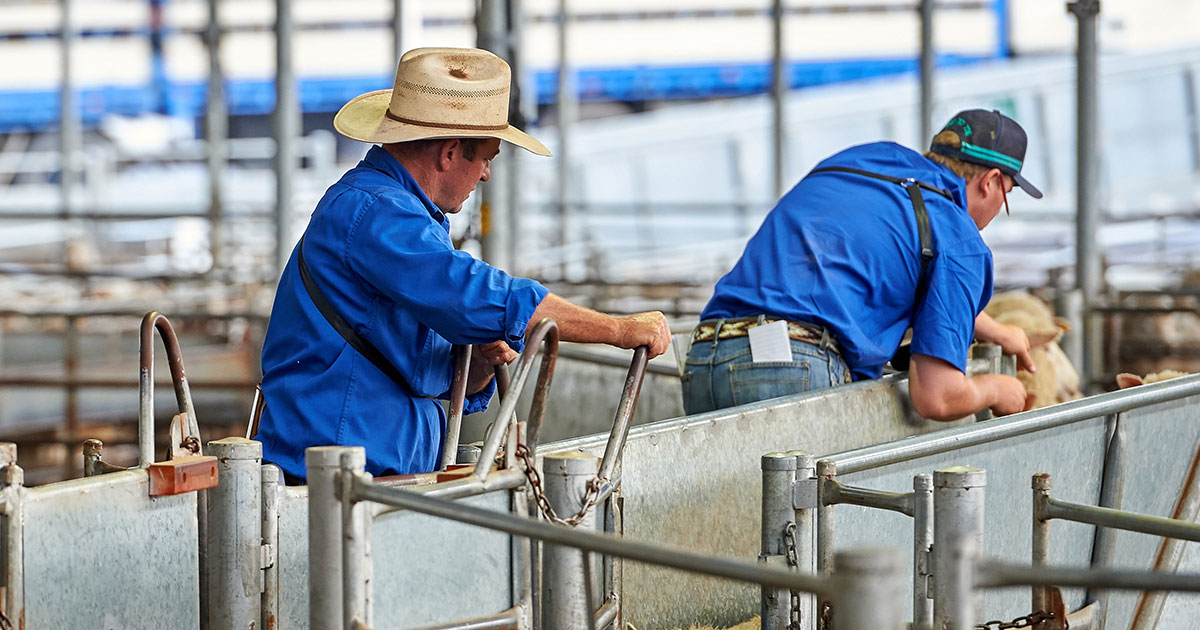
Livestock Production Assurance (LPA) is critical when it comes to highlighting hazards for livestock, but it can also help keep your employees and workplace safe too.
To assist producers in meeting the requirements of Australia’s red meat integrity system in the event of a bushfire, Integrity Systems Company (ISC) provides some tips ahead of the season.

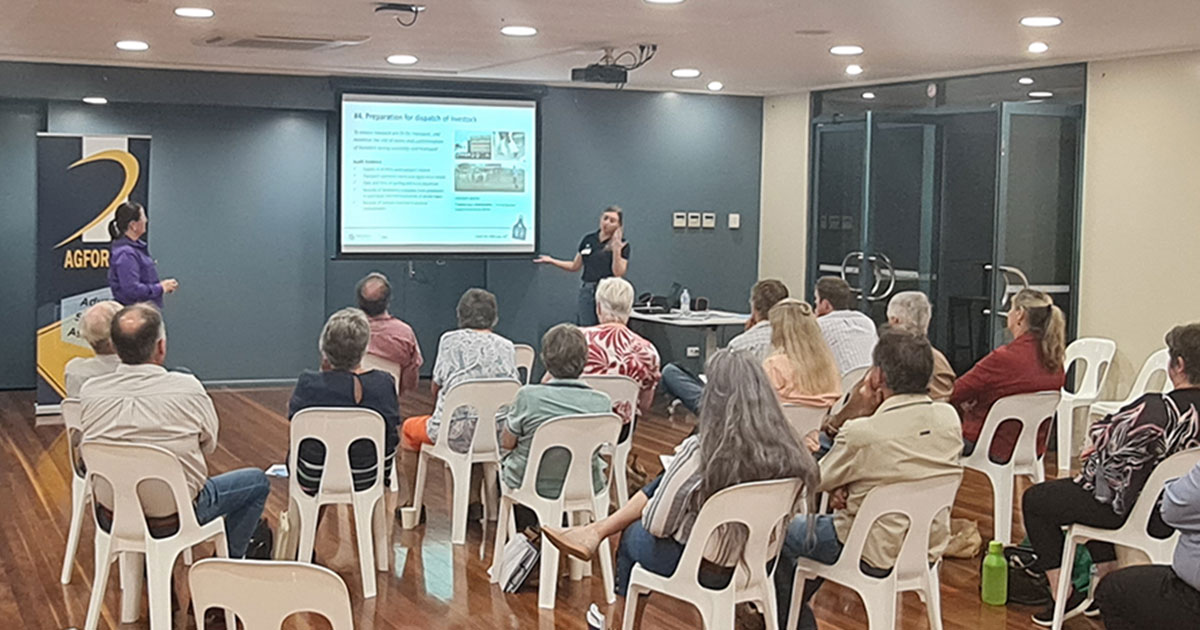
Integrity Systems Company’s George Basha (Operations Analyst) and Elizabeth Bradley (Manager – Quality, Policy and Compliance) – in partnership with AgForce – recently gave regional producers a chance to expand their knowledge of the LPA program.
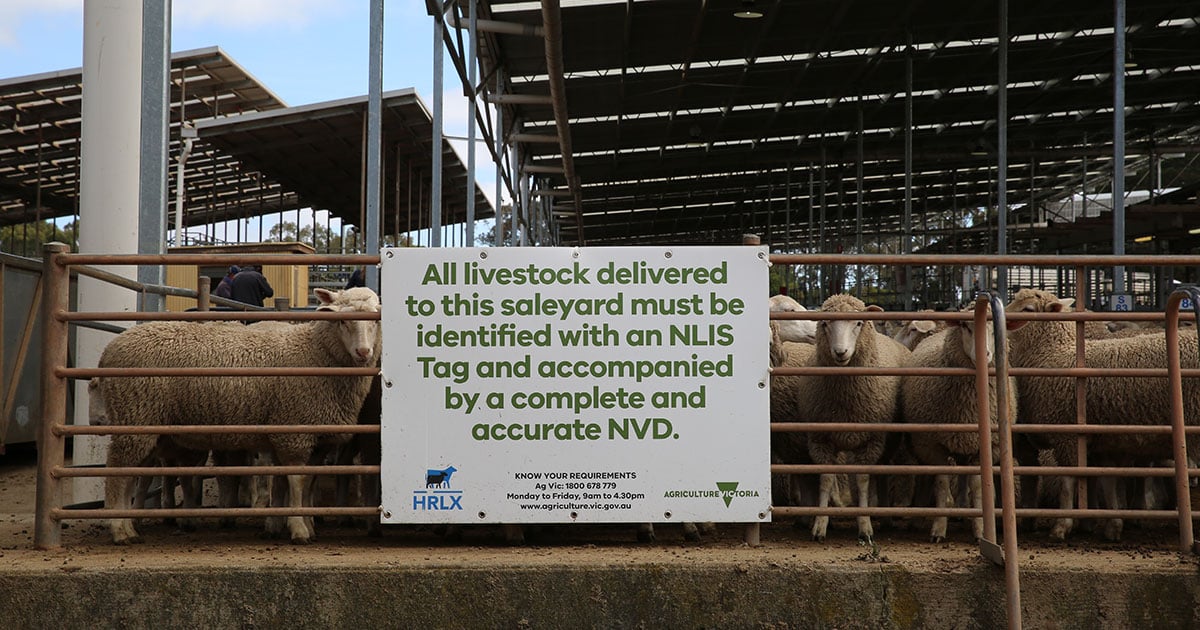
The NLIS combines three elements to enable lifetime traceability – make sure you know your responsibilities.