Search tips
- Check your spelling
- Try a different term
- Keep your search term short and simple
All LPA accredited producers – from large scale operators to hobby farmers – may be audited. Approximately 2500 producers are selected each year at random from the list of producers who have not yet been audited. Annually, there are 1000 audits selected based on LPA risks and non-compliance areas such as NLIS transfers not being completed, biosecurity risk issues and LPA NVD non-compliance. For producers accredited under a Voluntary Module audit frequencies may differ.
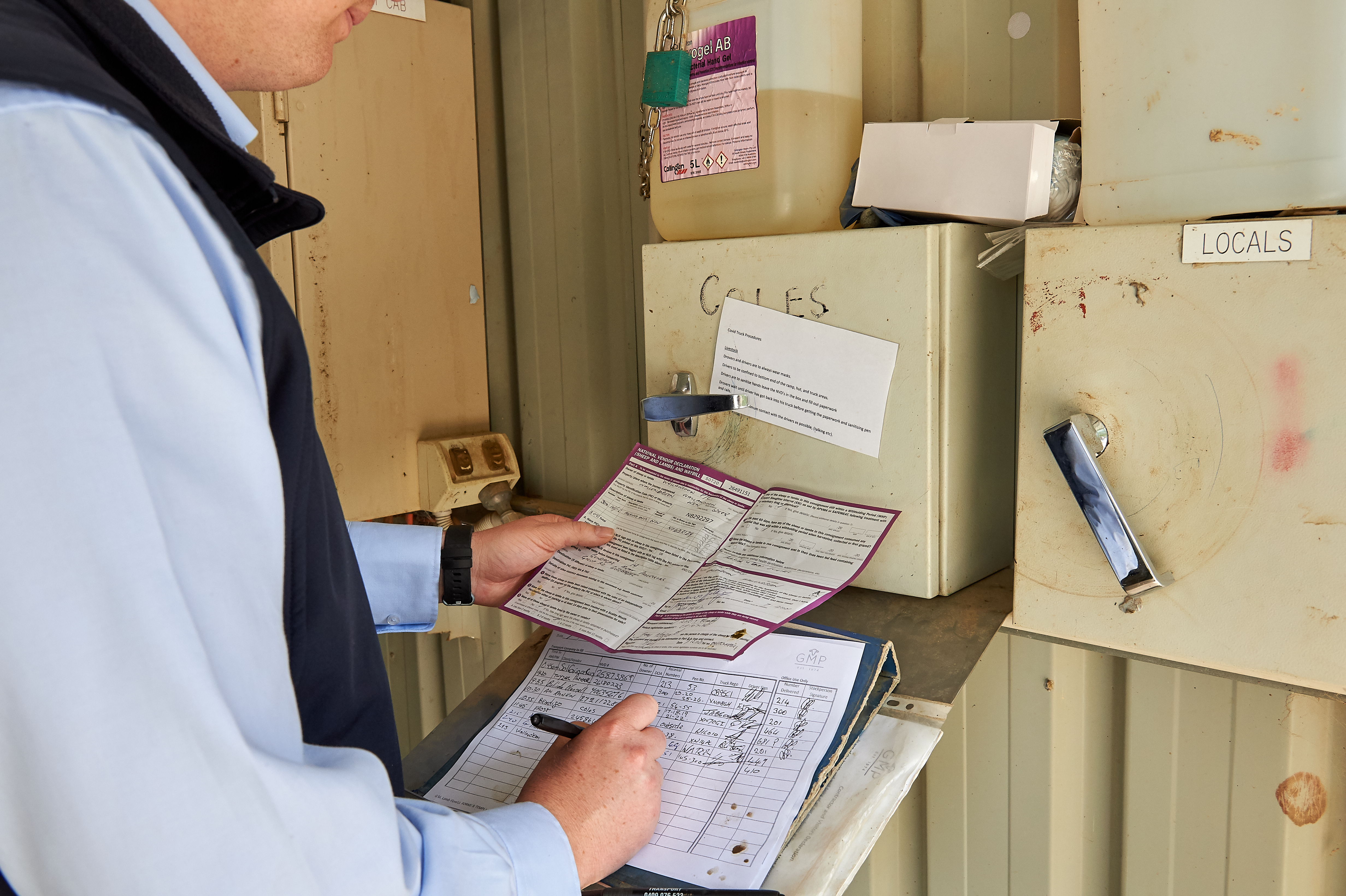
You can provide buyers with details of any high-risk animals in the consignment, or provide a list of the NLIS tag numbers of each animal in the consignment prior to sale so that they can check if there are any statuses attached to them. You will also provide buyers with the assurances they require by accurately completing the LPA NVD and declaring any livestock that may pose a food safety or biosecurity risk.
More information Learn more about the LPA program and its seven requirements. Read about LPA learning, accreditation and on farm audits.

Becoming accredited with LPA means that livestock producers agree to abide by the LPA Rules and Standards, including the seven requirements of LPA. These requirements cover: assessing on-farm risks treating animals safely and responsibly managing pasture and fodder treatments preparing animals for dispatch documenting livestock transactions and movements maintaining biosecurity practices adhering to animal welfare practices. Read more on the seven LPA requirements.
Find out how to manage your records for LPA accreditation online.
If you’re new to owning livestock or only have a handful of cattle, sheep or goats on your property, this webinar is for you! Join Integrity Systems Company for a high-level overview of property identification codes (PIC), biosecurity requirements, livestock movements, and ISC and state department requirements. This webinar is relevant to hobby farmers and small landholders across Australia. Thursday 21st May, 7pm AEST
ISC and the MLA Strategic Plan MLA released its new Strategic Plan earlier this week, outlining its ambitions for a more profitable, productive, and sustainable industry. ISC has a significant role to play in delivering this strategy, and I hope you’ll take the time to read this month’s article which provides a brief insight into how we plan to support value creation across the red meat supply chain over the next five years. eNVD web-based system improvements The eNVD web-based system also continues to be refined and improved. A new feature now allows the livestock sender to add device...
